Collingwood Real Estate: Housing Market Overview
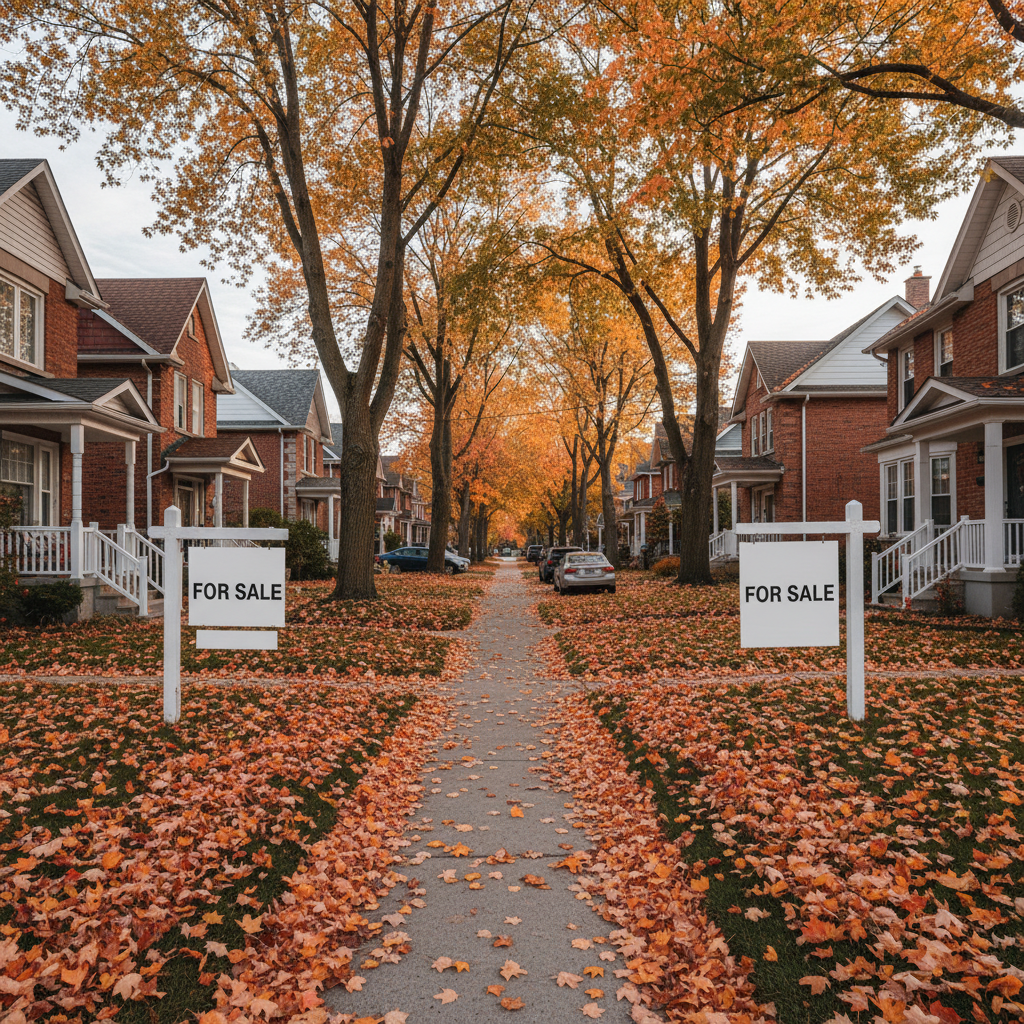
Collingwood's real estate market has changed dramatically over the past two decades. What was once a quiet small-town housing market, affordable and slow-moving, has become one of the more active and competitive markets in Ontario outside the GTA. The combination of natural beauty, proximity to Blue Mountain, four-season recreation, and the rise of remote work has drawn buyers from across the province and beyond.
Whether you are considering a move to Collingwood, looking for a vacation property, or simply curious about what the local market looks like, this overview covers the essentials. Keep in mind that real estate markets shift constantly. The figures and trends described here reflect general patterns, not guaranteed conditions at any given moment. Always consult current listings and speak with a local professional for the most up-to-date picture.
What Things Cost
Home prices in Collingwood vary significantly depending on the property type, the neighbourhood, and the condition of the home. As a general guide, here is what buyers can expect across the main categories.
Detached homes range from roughly $500,000 on the lower end, typically older homes in the east side of town that may need updating, to well over $1 million for newer construction in the west end, waterfront-adjacent properties, or renovated heritage homes downtown. The average sale price for a detached home in the Collingwood area has hovered in the $700,000 to $900,000 range in recent years, though this fluctuates with broader market conditions.
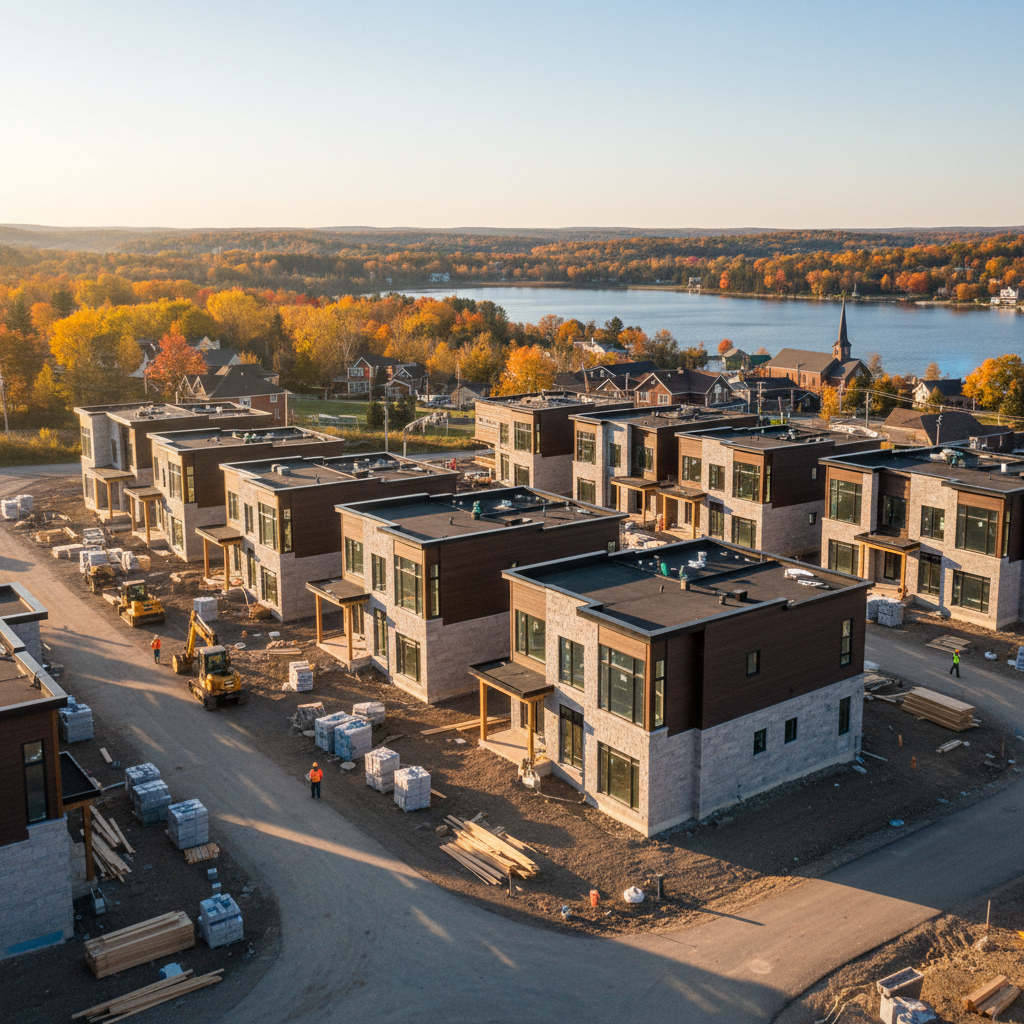
Townhouses and semi-detached homes offer a more affordable entry point, generally ranging from $450,000 to $700,000. These are popular with first-time buyers, downsizers, and investors. Many of the newer townhouse developments are in the west end and south end of town.
Condominiums, particularly in the Blue Mountain Village area, start around $300,000 for smaller units and climb past $600,000 for larger spaces with mountain or village views. Condo fees vary widely depending on the building and its amenities, so always factor those into your monthly costs. Downtown Collingwood has fewer condo options, but some newer developments have added inventory in recent years.
The Rental Market
Rentals in Collingwood can be challenging to find, particularly long-term rentals. Much of the area's rental inventory is geared toward short-term vacation stays, especially near Blue Mountain and the waterfront. Long-term tenants often compete with seasonal rental demand, which drives prices up and limits availability.
Monthly rents for a one-bedroom apartment typically start around $1,500 and climb from there. Two-bedroom units range from $1,800 to $2,400 depending on location and condition. Detached home rentals, when available, can run $2,500 or more per month. If you are planning to rent before buying, start your search early and be prepared to act quickly when something suitable appears.
Seasonal Market Patterns
Collingwood's real estate market follows seasonal rhythms that differ somewhat from larger Ontario cities. Spring is typically the busiest season for listings and sales, as sellers prepare their homes after winter and buyers begin searching in earnest. Summer maintains strong activity, bolstered by vacation property seekers and families wanting to settle before the school year.
Fall brings a slight cooling in activity, though serious buyers remain in the market. Winter is the quietest period, but it can offer opportunities. Fewer buyers are looking, which may give those willing to search in the colder months more negotiating room. Properties listed in winter are often priced by motivated sellers.
The ski season adds a unique dynamic. Buyers interested in Blue Mountain area properties often shop during winter months when they can experience the resort lifestyle firsthand. This means the village area can be busier than the rest of the market during January and February.
What Drives the Collingwood Market
Several factors have shaped the local market and continue to influence pricing and demand.
Remote work has been one of the most significant drivers. When proximity to a Toronto office became less important for many workers, Collingwood's lifestyle advantages, outdoor recreation, clean air, slower pace, moved from "nice to have" to "reason to relocate." This brought a wave of GTA buyers who could afford to bid up prices in a smaller market.
Blue Mountain and the four-season recreation economy support strong demand for both primary residences and vacation properties. The resort area draws visitors year-round, which supports short-term rental income for property owners and keeps the local economy robust.
Retirement migration is another steady source of demand. Collingwood attracts retirees from across Ontario who want an active lifestyle, access to healthcare, and a community that is not too large or too small. The healthcare services available in town, combined with the recreational and cultural amenities, make it a popular choice for this demographic.
Limited land supply constrains new development. Collingwood is bounded by Georgian Bay to the north and the Niagara Escarpment to the south, which limits outward expansion. New subdivisions and developments continue to be built, but the pace of new supply has not kept up with demand, which supports price growth over time.
Neighbourhoods and Price Variation
Where you buy within Collingwood matters as much as what you buy. The downtown core commands higher prices per square foot due to walkability and character. The west end offers newer construction at mid to upper price points. The east side provides the most affordable options in town. The south end and Cranberry area fall somewhere in the middle, with newer subdivisions and a quieter feel.
Our neighbourhood guide breaks down each area in detail, including the type of housing available and the general price range you can expect. Spending time in different parts of town before committing to a search area is one of the smartest things any buyer can do.

Tips for Buyers
If you are considering purchasing in Collingwood, a few practical tips will serve you well.
- Get pre-approved for financing before you start looking seriously. In a competitive market, sellers favour buyers who can move quickly and demonstrate financial readiness.
- Visit the town in different seasons before committing. Collingwood in August and Collingwood in February are very different experiences. Make sure you are comfortable with both.
- Factor in the full cost of ownership. Property taxes, utilities, insurance, and maintenance costs in a four-season climate can add up. Snow removal, heating costs, and seasonal home maintenance are all part of the picture.
- Work with a real estate professional who knows the local market. Collingwood has its own quirks, from heritage designation rules to seasonal rental regulations, and local expertise makes a difference.
- Be patient but ready to act. Good properties in desirable locations can sell quickly. Having your finances in order and knowing what you want will help you move decisively when the right home appears.
For a broader look at life in Collingwood beyond the housing market, our living here hub covers healthcare, schools, transportation, community life, and everything else that shapes daily life in this town. Understanding the community you are buying into is just as important as understanding the property itself.
If you are planning to visit before buying, our getting here guide covers directions and travel options, and the accommodations page lists places to stay while you explore.