Getting to Collingwood: Directions, Routes, and Travel Options
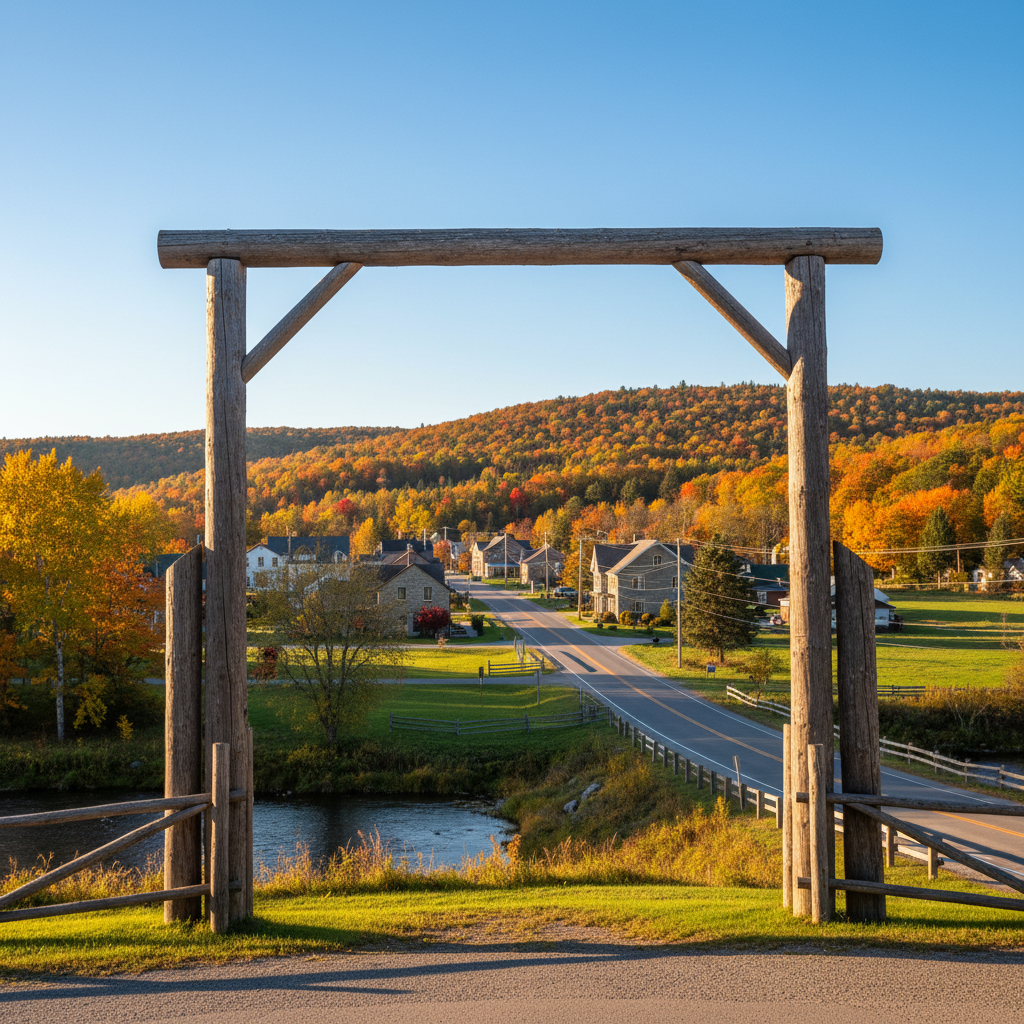
Collingwood sits on the southern shore of Georgian Bay, approximately 150 kilometres northwest of Toronto. It is an easy drive from most of southern Ontario, and the routes are straightforward once you know which highway to take. Whether you are visiting for a weekend, heading up for ski season, or making the drive to check out the town before a potential move, here is everything you need to know about getting here.
From Toronto: The Main Route
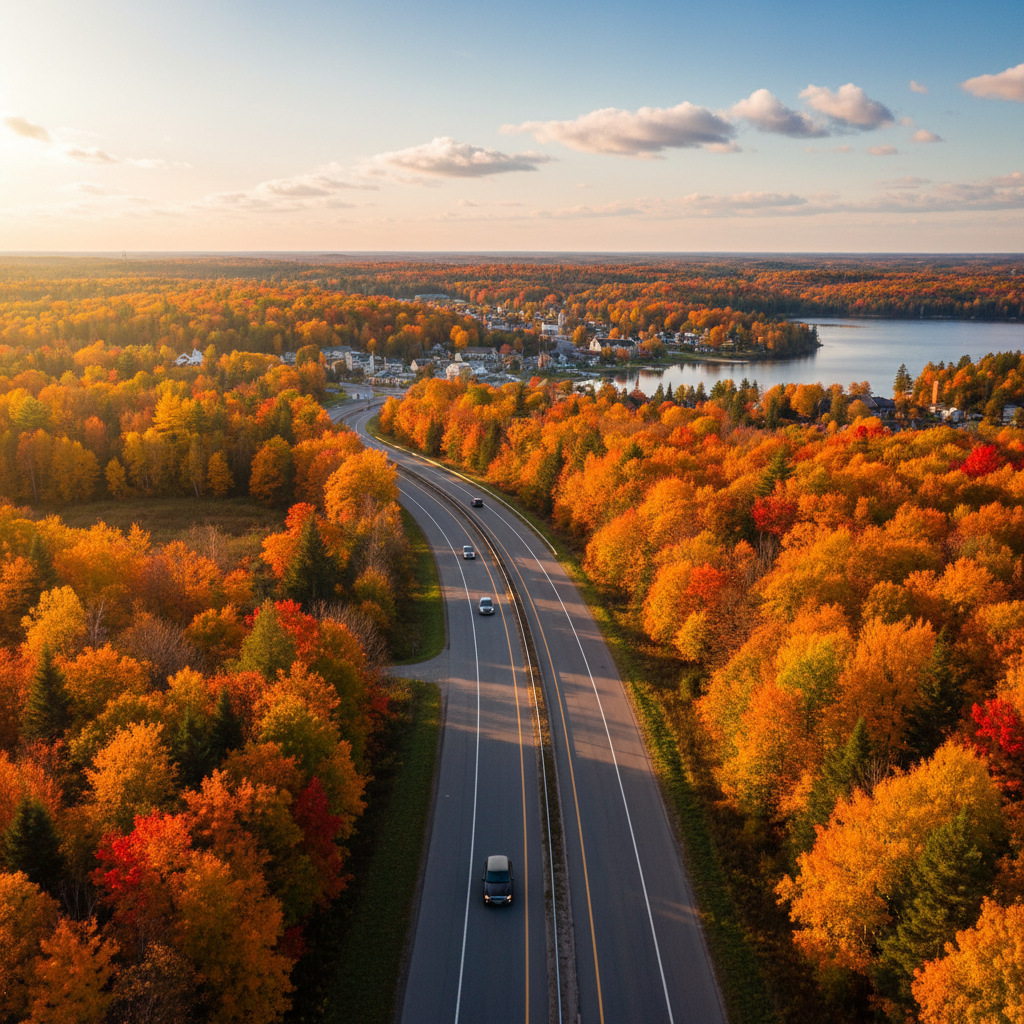
The most common route from Toronto to Collingwood follows Highway 400 north to Highway 26 west. Start by taking Highway 400 from the city, heading north through Barrie. Continue on Highway 400 past the Highway 89 interchange, then exit at Highway 26 West toward Collingwood and Wasaga Beach. Follow Highway 26 west through Stayner and into Collingwood.
Under normal traffic conditions, the drive takes approximately 90 minutes to two hours from downtown Toronto. From the northern suburbs (Vaughan, Richmond Hill, Newmarket), the drive is closer to 75 to 90 minutes. The most significant variable is traffic on Highway 400, particularly through Barrie, which can add 20 to 40 minutes during peak periods.
Peak traffic times to watch for include Friday evenings (heading north for weekends), Sunday afternoons (returning south), holiday long weekends, and ski season weekends from December through March. If your schedule allows, leaving Toronto before 3 p.m. on Friday or after 7 p.m. can help you avoid the worst of the northbound traffic.
Alternative Routes
If Highway 400 is congested or you prefer a more scenic drive, a few alternative routes are worth knowing.
County Road 124 runs from Shelburne north to Collingwood through rolling countryside and small communities. This route is accessible from Highway 10 and the 401 corridor west of Toronto. It takes longer than the Highway 400 route but offers a pleasant drive through farm country and avoids the Barrie bottleneck entirely. Allow about two to two and a half hours from the west end of the GTA.
From Barrie, you can also take Highway 90 west to Highway 26, which runs along the base of the Niagara Escarpment into Collingwood. This route is slightly longer than the direct Highway 400 to Highway 26 path but can be less congested and offers nice scenery.
From Hamilton, Kitchener-Waterloo, or London, the most practical route runs north through Orangeville or Shelburne and then up County Road 124 to Collingwood. Depending on your starting point, the drive ranges from two to three hours.
Winter Driving Considerations
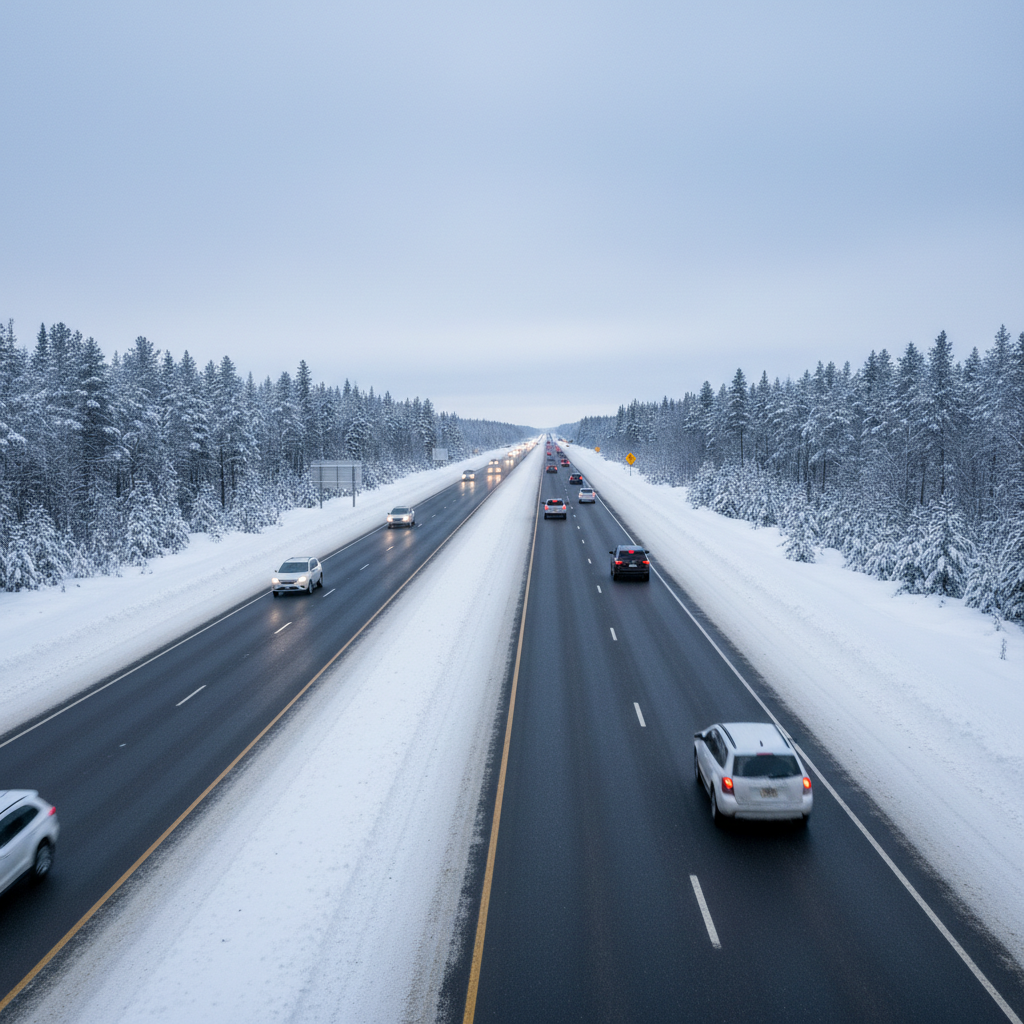
Winter travel to Collingwood requires preparation. The region gets substantial snowfall, and road conditions can change quickly between November and April. Highway 400 and Highway 26 are well-maintained by provincial and municipal crews, but whiteouts, ice patches, and reduced visibility do occur, particularly in the Stayner-to-Collingwood stretch of Highway 26 where the terrain is exposed to wind off Georgian Bay.
Winter tires are strongly recommended and should be considered a requirement, not an option. All-season tires are inadequate for the conditions you will encounter here. Many insurance companies offer a discount for winter tires, which partially offsets the cost.
Keep your fuel tank at least half full during winter drives, and carry a basic emergency kit: blanket, flashlight, phone charger, snacks, and a small shovel. These are sensible precautions for any winter driving in Ontario, not just the trip to Collingwood.
Check road conditions before you leave. Ontario 511 provides real-time highway condition reports, and the Ministry of Transportation's website shows plow activity and road closures. A quick check before departure can save you from surprises on the road.
Airport Access
Collingwood does not have a commercial airport. The nearest major airport is Toronto Pearson International Airport (YYZ), located approximately 160 kilometres south. The drive from Pearson to Collingwood takes about 90 minutes to two hours depending on traffic. Car rentals are available at Pearson, and the drive north is straightforward via Highway 400.
The Collingwood Regional Airport handles small private aircraft and charter flights but does not offer scheduled commercial service. The Lake Simcoe Regional Airport near Barrie is another option for private and charter aviation.
For visitors flying into Ontario from outside the country or province, renting a car at Pearson is the most practical way to reach Collingwood. Public transit connections from the airport to Collingwood do not exist in a convenient form, though you could take the UP Express to Union Station and then the GO train to Barrie, followed by a car rental or taxi for the final stretch. This is workable but time-consuming.
Bus and Coach Service
Ontario Northland operates bus service connecting Toronto to communities in central and northern Ontario, with a stop in Collingwood on certain routes. Service frequency varies by season, with more options during ski season and summer. The bus departs from the Toronto Coach Terminal and makes stops along the way, with the total trip taking approximately two and a half to three hours.
This is a viable option for visitors without a car, though you will want to arrange local transportation once you arrive, as Collingwood's public transit is limited. A taxi from the bus stop to your accommodation, or a prearranged pickup, is the simplest solution.
Some ski resorts and tour operators run seasonal shuttle services from Toronto to the Blue Mountain area during winter. These are typically geared toward day-trippers and weekend skiers and include transportation and lift ticket packages. If skiing is your primary reason for visiting, these shuttles can be a convenient and affordable option.
Once You Arrive
Collingwood is a compact town that is easy to navigate. The downtown core runs along Hurontario Street, the main commercial strip is First Street, and Highway 26 serves as the bypass route through the south end of town. Parking is free in most areas downtown, though it can fill up during peak summer weekends and events.
For more detail on getting around once you are here, see our getting around guide, which covers local transit, cycling, and driving within town. If you need a place to stay, our accommodations page covers hotels, B&Bs, vacation rentals, and resort lodging. And for a practical overview of what to do and see during your visit, the visitor information guide has tips on timing, parking, and making the most of your trip.